Can Titanium Rings Be Cut Off in an Emergency?
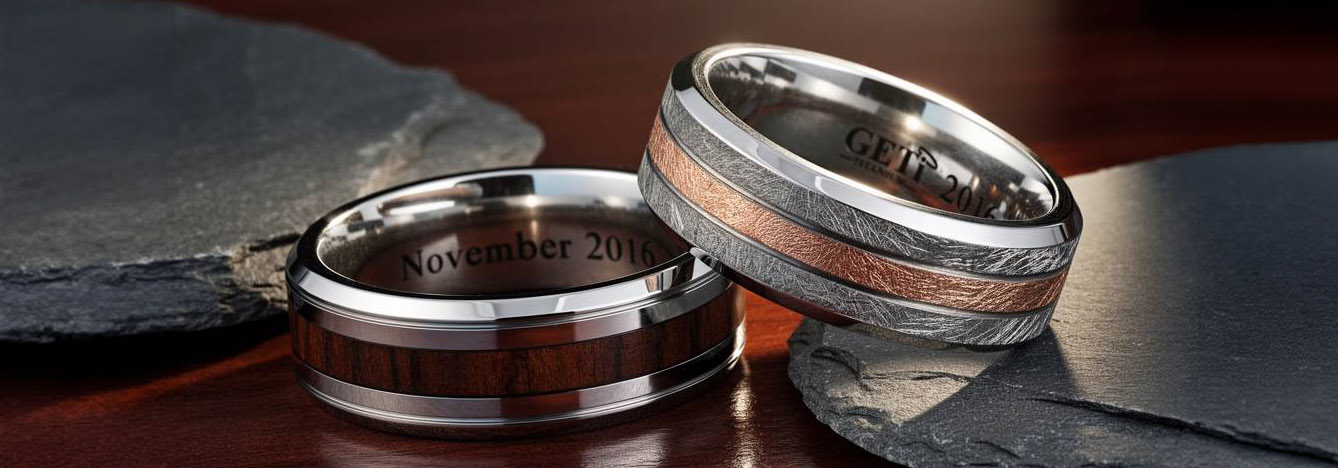
Titanium has rapidly become one of the most popular alternative metals for jewelry, particularly wedding bands. Revered for its incredible strength-to-weight ratio, aerospace heritage, and sleek modern aesthetic, it makes for a highly durable ring.
However, that exact legendary strength frequently prompts a vital safety question: If I injure my hand and my finger swells, can a titanium ring be cut off in an emergency?
The short, reassuring answer is yes, titanium rings can absolutely be cut off in an emergency. However, the process is slightly different than cutting a traditional gold or silver band, and understanding the reality of how it’s done can dispel a lot of common myths.
The Myth vs. The Reality
The misconception that titanium rings require finger amputation in medical emergencies stems from confusion regarding industrial-grade titanium alloys and the grade of titanium used in jewellery.
Traditional jewellers’ ring cutters feature manual, hack-saw-style steel wheels. While these blades effortlessly slice through soft, malleable precious metals like gold, silver, and platinum, they will quickly dull and flatten if aggressively used against a hard metal like titanium.
Because standard manual cutters fail, a myth circulated that the metal was impossible to remove. In reality, emergency rooms, fire departments, and modern jewellery workshops are well-equipped with specialised tools that handle titanium with ease.
How Emergency Services Cut Titanium Rings
When a patient presents with a severe hand injury or a constriction emergency, first responders and medical staff prioritize non-destructive methods first, such as lubricants, ice water, or the "string wrap" compression technique. If these fail and the finger's blood circulation is threatened, they shift to cutting tools.
Medical professionals typically remove a titanium ring using one of two methods:
- Power Cutters / Rotary Dremel Tools
The most common medical solution is an electric, specialised ring cutter or a rotary tool (like a Dremel) fitted with a diamond-coated disk blade or a carbide rotary blade.
The Process: A small metal guard is slipped between the ring and the swollen skin to protect the finger.
The Execution: The high-speed diamond disk grinds through the titanium band safely and efficiently, typically completing the cut in under two to three minutes. Because high-speed friction generates heat, medical staff will continuously irrigate the area with cold water or saline to prevent thermal burns to the skin.
- High-Quality Bolt Cutters
In some urgent situations where power tools are unavailable, emergency departments and fire crews use heavy-duty, non-powered bolt cutters. Because high-quality titanium does not shatter like tungsten, a powerful pair of jaws can cleanly fracture or crimp the metal ring, allowing it to be widened and pulled away from the skin in less than thirty seconds.
Does the Grade of Titanium Matter?
Yes. Titanium is categorised into various grades, and the ease of an emergency removal heavily relies on which grade your ring is made of.
Commercial Grade 2 Titanium: This is the industry standard for high-quality titanium jewellery. Grade 2 is commercially pure titanium. It provides excellent scratch resistance and durability for daily wear, yet remains malleable enough to be cut with basic motorised medical tools in an emergency room.
Aircraft Grade 5 Titanium (Ti-6Al-4V): This alloy is mixed with aluminum and vanadium. While occasionally used in jewellery, Grade 5 is immensely harder and tougher. It requires heavy-duty diamond cutting wheels or specialised rescue tools to remove, making emergency situations much more time-consuming.
Can the Ring Be Repaired After Being Cut?
Unlike gold or silver rings—which can be seamlessly re-soldered and polished back to pristine condition by almost any local bench jeweler—titanium cannot be easily repaired.
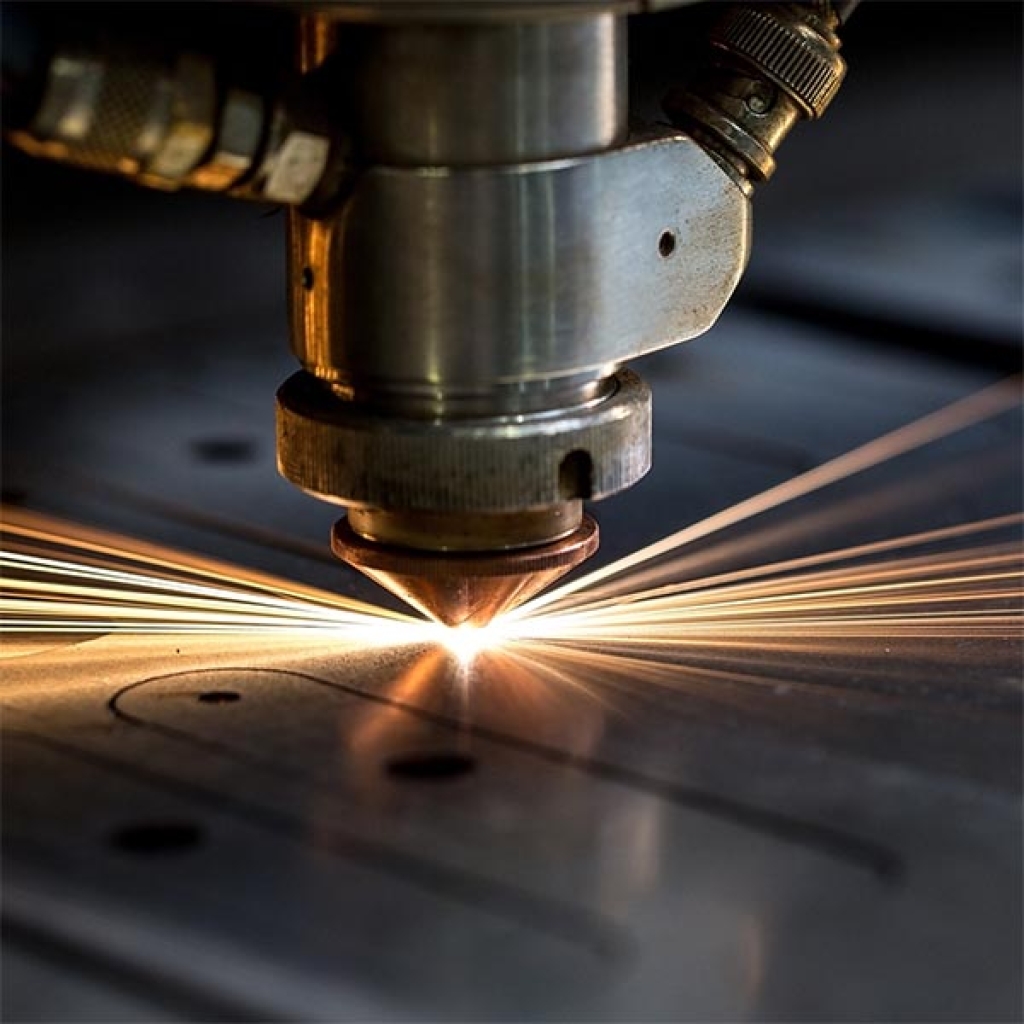
Titanium requires highly specialised, oxygen-free laser welding environments. While a select few industrial jewellery specialists may be able to mend it, for most consumers, a cut titanium ring will need to be entirely replaced. Fortunately, because titanium is an abundant metal, replacing a band is highly affordable compared to replacing precious metals.
Bottom Line
You do not need to avoid titanium jewellery out of fear of an emergency hospital visit. Modern emergency rooms and first responders are fully equipped to handle alternative metals. As long as your ring is made of a reputable jewellery-grade titanium (Grade 2), it can be removed safely and quickly, keeping your finger completely protected.